


Psyllium naturally regulates intestinal transit in cases of irritable bowel syndrome thanks to its soluble fibers which normalize stool consistency.
- It relieves both constipation and diarrhea thanks to its unique regulatory action.
- Start with 5g per day diluted in 250ml of water to avoid bloating.
- The first beneficial effects usually appear within a few days to two weeks.
Unpredictable bloating, erratic bowel movements, abdominal pain that strikes at the worst possible time. Irritable bowel syndrome disrupts the daily lives of millions of people. For those seeking a natural approach rather than restrictive medications, psyllium offers an alternative validated by scientific research.
This plant fiber, derived from the Plantago ovata plant, possesses the rare ability to regulate bowel movements in both directions. Frankly, unlike conventional laxatives that only treat a single symptom, this seed acts directly on your digestive system, with benefits that vary depending on your individual symptoms.
You can effectively integrate it into your routine while avoiding common mistakes that reduce its effectiveness. Gradual dosages, interactions with your meals, and the signs that indicate psyllium is actually working for your irritable bowel syndrome deserve careful attention to achieve tangible results.
What is psyllium and why is it revolutionizing the treatment of irritable bowel syndrome?
Are your bowels playing yo-yo? Alternating constipation and diarrhea, unpredictable bloating, cramps that ruin your days.
Irritable bowel syndrome affects thousands of people in Switzerland, with contradictory symptoms that make treatment particularly challenging. However, a natural solution is emerging: blond psyllium.
This plant fiber has a unique ability to adapt to the needs of your digestive system, whether it is too fast or too slow.
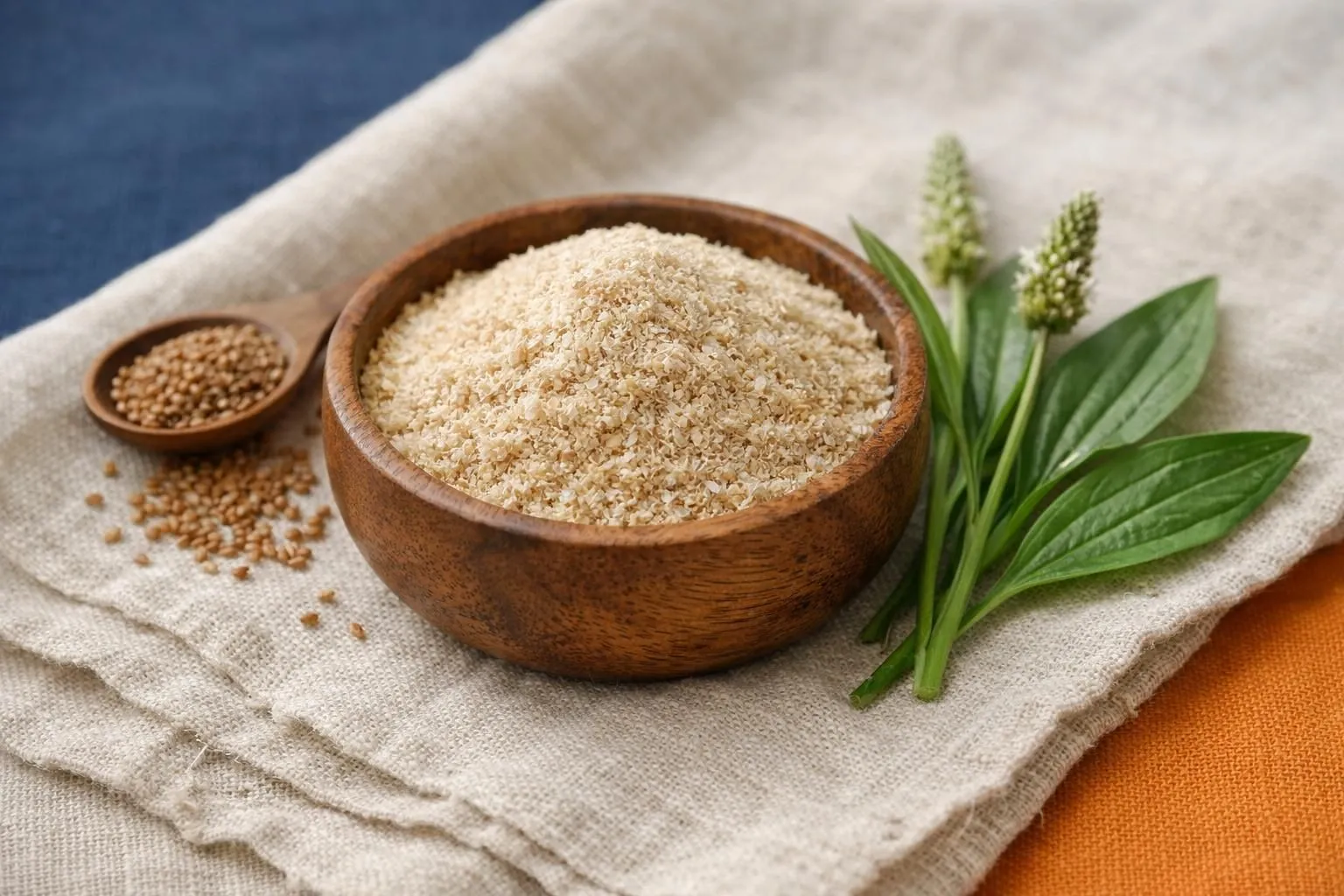
Blond psyllium, a soluble fiber with exceptional properties
Derived from the Plantago ovata plant, cultivated mainly in India, blond psyllium is composed of mucilage, soluble fibers with fascinating properties. Upon contact with water, this mucilage swells up to 40 times its initial volume, forming a viscous gel.
This property makes psyllium a well-known bulk-forming laxative: it softens hard stools by retaining water, and also absorbs excess moisture in cases of diarrhea. The first effects generally appear after 48 to 72 hours of regular use.
Irritable bowel syndrome: a complex therapeutic challenge
IBS causes chronic digestive problems without any visible organic lesions. Its symptoms vary from person to person, which complicates treatment. Frankly, the WHO recommendations They now recommend psyllium to treat this condition, particularly because of its bidirectional action.
The benefits of psyllium for irritable bowel syndrome stem from its adaptive capacity. It regulates bowel movements regardless of the initial imbalance, while also reducing intestinal inflammation.
How does psyllium work on the symptoms of irritable bowel syndrome?
Psyllium is a type of bulk-forming laxative, a category not widely known to the general public. This soluble fiber works through a gentle mechanical mechanism, unlike stimulant laxatives that irritate the intestinal lining. The psyllium husks transform into a gelatinous substance upon contact with water.
This reaction naturally regulates bowel movements without creating dependency. Our observations show that this approach is particularly suitable for people suffering from irritable bowel syndrome. Frankly, let's take a concrete example with the consumption of 5 grams of psyllium in 250 ml of water.
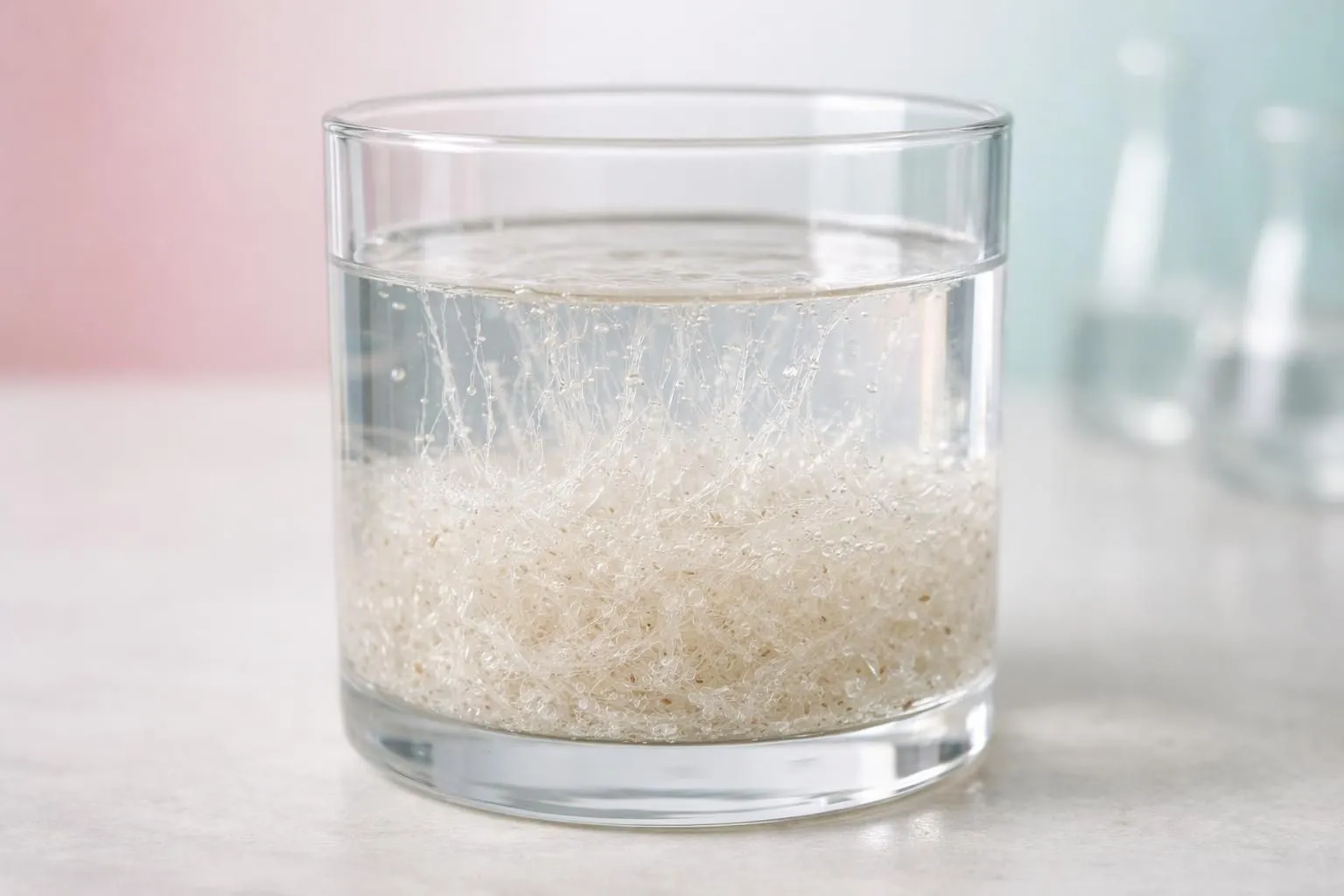
The mucilage quickly absorbs the liquid and forms a viscous gel in the stomach. This gel then moves into the small intestine and then the colon. It increases stool volume while maintaining its softness.
The evacuation takes place without excessive effort.
Swelling and fluid regulation: The mucilage mechanism
Mucilage absorbs up to 40 times its weight in water. This capacity explains why psyllium is effective against constipation. The gel it forms softens hardened stools and stimulates intestinal contractions through mechanical pressure.
Frankly, but its action goes further. In cases of diarrhea, these mucilages absorb excess water from loose stools, giving them a firmer consistency.
This paradoxical effect often surprises new users of the product.
Why does psyllium work for opposite symptoms?
This dual action is explained by the regulatory capacity of soluble fibers. The gel formed acts as a water buffer that redistributes water according to the needs of the intestine.
Some technical points:
- Too rapid transit: psyllium slows down the process and absorbs excess moisture
- Slow transit: the gel increases stool volume and facilitates intestinal motility
- Prebiotic action: partial fermentation in the colon that nourishes good bacteria
Let's be realistic about the timeframe. The first effects generally appear between 48 and 72 hours after starting supplementation.
Some people notice a faster improvement, while others need a full week to see a significant change in their bowel movements. This patience is necessary to allow the gut flora to gradually adapt to the increased intake of soluble fiber.
The 5 proven benefits of psyllium for irritable bowel syndrome
Psyllium stands out for its unique ability to relieve multiple symptoms simultaneously. Unlike conventional laxatives that work in only one direction, this soluble fiber regulates bowel movements in both directions.
Clinical studies conducted on patients with irritable bowel syndrome show measurable improvements after only 2 to 4 weeks of regular use.
Action on the primary digestive symptoms of IBS
The benefits of psyllium for irritable bowel syndrome target the most debilitating symptoms. For chronic constipation, the mucilage formed in the intestine facilitates bowel movements by increasing stool volume by 40 to 100%.
Conversely, during episodes of diarrhea, these same fibers absorb excess water and slow down intestinal transit. Frankly, bloating gradually decreases thanks to controlled fermentation in the colon.
| IBS symptom | Improvement observed | Action time |
|---|---|---|
| Constipation | Reduction from 60 to 70% | 7 to 14 days |
| Diarrhea | Frequency divided by two | 10 to 20 days |
| Bloating | Decrease from 30 to 50% | 3 to 4 weeks |
| Abdominal pain | Reduced intensity of 40% | 2 to 3 weeks |
Clinical experience shows that quality of life improves significantly. Patients regain confidence in their daily activities and social interactions.
Blood sugar, cholesterol and satiety: Side benefits
Beyond digestive symptoms, psyllium positively influences several metabolic markers. The gel formed in the stomach slows the absorption of carbohydrates, thus stabilizing blood sugar levels after meals.
According to research published on PubMed, Regular consumption reduces LDL cholesterol by 5 to 10%. The satiating effect prolongs the feeling of fullness, facilitating body weight control for some users.
Marita Store Switzerland advice: Start with 5 grams daily to assess your tolerance, then gradually increase as needed. Always drink at least 250 ml of water per dose to optimize effectiveness and prevent discomfort.
What other sources don't tell you about psyllium and irritable bowel syndrome
Most guides overlook a crucial point regarding psyllium and hydration. Without sufficient water, this fiber can worsen digestive issues. Its mucilage absorbs up to 40 times its weight in water.
Frankly, if they're not properly hydrated, they create a dense mass that blocks digestion. You need to drink at least 250 ml of water per spoonful of psyllium. Then add another glass of water within the following hour.
This simple habit completely changes the results obtained.
The pitfalls of use that no one mentions
Drug interactions remain largely unknown. Psyllium forms a gel that traps drug molecules in the digestive tract, reducing their absorption.
Leave at least 2 hours between taking this medication and any other treatments, whether antidepressants, antidiabetics, or contraceptives. Our experience also shows that starting this medication too quickly can cause bloating and flatulence in new users.
Start with half the dose for 5 days before reaching the recommended dosage.
When psyllium is not the optimal solution
Despite widespread promises, 20 to 30% of patients with irritable bowel syndrome see no significant improvement. Those who primarily suffer from chronic diarrhea often report a temporary worsening of symptoms.
In these specific cases, we recommend alternative soluble fibers such as partially hydrolyzed guar gum.
Frankly, psyllium remains a symptomatic modulator, never a long-term treatment. It normalizes bowel movements without correcting the imbalances in the gut flora, visceral hypersensitivity, or motility disorders that cause IBS.
For comprehensive care, you must combine it with a suitable nutritional approach and regular medical follow-up.
How to use psyllium effectively for your irritable bowel syndrome?
Many people give up on psyllium prematurely. Why?
They start too quickly, with doses that are too high. Our experience shows that a methodical introduction maximizes the benefits of psyllium for irritable bowel syndrome while avoiding bloating and gas.
The key lies in patience and observing your individual reactions, as each gut responds differently to soluble fiber.

A gradual introduction protocol to avoid discomfort
Start modestly. Half a teaspoon (2.5 grams) in the morning for three days is sufficient.
Your digestive system needs to gradually adapt to this fiber intake. After this initial period, increase to 5 grams daily for four more days.
This gradual onset prevents abdominal cramps that discourage so many new psyllium users.
Hydration remains absolutely critical. Mix your dose in at least 300 ml of water, let it sit for one minute, then drink immediately before it gels.
Always follow with a second 250ml glass of water. Without adequate hydration, psyllium can paradoxically worsen constipation instead of relieving your irritable bowel symptoms.
Optimal daily routine and personalized adjustments
After two weeks of adaptation, aim for 10 to 15 grams divided into two or three doses. The optimal timing?
Thirty minutes before breakfast and dinner. This timing allows the psyllium to create a protective barrier in your intestines before food arrives.
Some prefer a single morning dose on an empty stomach, especially if constipation is the main symptom of their digestive problems.
Pay attention to your body's signals. Persistent bloating after three weeks suggests an excessive dose for your current sensitivity.
Temporarily reduce the dose by 2.5 grams. Conversely, if there is no improvement after four weeks, a gradual increase up to 20 grams daily is warranted, always under supervision.
Patience remains your best ally: the full benefits of psyllium on irritable bowel syndrome often take six to eight weeks to fully manifest.
Frequently asked questions about psyllium and irritable bowel syndrome
How long should you wait? The first changes usually appear after 48 to 72 hours of regular use.
But every body reacts differently. Some people notice relief as early as the second day, while others have to wait a full week before their bowel movements regulate.
The key is consistency: take psyllium daily, always with enough water (at least 250 ml per dose).
Efficiency and time to results
Psyllium acts as a bulk-forming laxative thanks to its mucilage. These fibers absorb water and swell up to 40 times their original volume. This action softens stools in cases of constipation or absorbs excess fluid in cases of diarrhea.
You can combine it with probiotics or IBS treatments. Frankly, leave at least two hours between doses to avoid any interactions. Blond psyllium (Plantago ovata) is gentler than black psyllium and better suited to sensitive intestines.
Marita Store Switzerland advice: Start with a small dose of 5g for three days. Then gradually increase to limit initial bloating.
Safety of use and contraindications
Prolonged use poses no problem for most people. However, avoid psyllium if you suffer from intestinal obstruction, esophageal stricture, or difficulty swallowing.
Possible side effects include temporary gas (which subsides after a few days) and, rarely, abdominal cramps. Drink plenty of water regularly to prevent any risk of bowel obstruction.
Incorporate psyllium into a holistic approach to digestive well-being
The benefits of psyllium for irritable bowel syndrome work best as part of a holistic approach. Focusing solely on this fiber limits the potential results. Frankly, in our experience, lasting improvements come from a comprehensive strategy that combines a tailored diet with a complete recovery.
Stress management and regular physical exercise to effectively relieve IBS.
Beyond psyllium, a holistic approach to irritable bowel syndrome
Combining psyllium with a low-FODMAP or anti-inflammatory diet amplifies its regulatory effects. Certain fermentable carbohydrates, such as onions, wheat, or legumes, worsen symptoms in many people.
Frankly, chronic stress directly disrupts the gut-brain axis and exacerbates the attacks. Techniques such as cardiac coherence or digestive yoga complement the mechanical action of psyllium on digestion.
Choose quality natural products for your digestive health
The quality of psyllium plays a crucial role in your digestive health. You should choose certified organic husks, free from additives and anti-caking agents. Frankly, always check the product's geographical origin; India and Pakistan offer the best quality available.
Producer traceability also remains a key criterion to consider. Marita Store Switzerland offers a carefully curated selection of tested natural solutions that meet these quality requirements.
Psyllium, your natural ally for lasting relief from irritable bowel syndrome
Psyllium offers tangible benefits for irritable bowel syndrome. This plant fiber regulates your bowel movements and effectively soothes abdominal pain.
It also naturally stabilizes your gut microbiota. You should start gradually with one teaspoon daily.
Honestly, drink at least 250 ml of water with each dose to prevent bloating. Adopt a comprehensive approach that combines psyllium, an anti-inflammatory diet, and stress management.
The first results usually appear after 2 to 4 weeks of regular use. Marita Store Switzerland offers products selected for their superior quality. Our team can guide you toward solutions tailored to your individual needs.
Your digestive comfort deserves this attention.